
How to Choose Faux Fur Blanket Fabric: A Manufacturer’s Guide to Premium Rabbit Fur
When global buyers source for premium bedding brands, navigating the material selection stage can be challenging. "Softness" is subjective, but technical fabric specifications are concrete. In this guide, we will focus exclusively on faux rabbit fur blanket fabric—one of the highest-margin materials in the modern home textile market.
As a direct manufacturer, here is the technical breakdown of how to evaluate and select the perfect rabbit fur fabric for your next product line.
1. The Core Metrics: GSM, Pile Height, and the Non-Shedding Factor
In the world of luxury faux fur throws, fabric quality is directly tied to density. The rule of thumb is simple: the denser the pile and the higher the pile height, the higher the GSM (Grams per Square Meter). Naturally, a higher GSM increases the manufacturing cost, but it delivers that heavy, weighted luxury feel that retail consumers crave.
However, the ultimate test of premium faux rabbit fur is its shedding rate.
- The Premium Standard (6-Shuttle Technique): At our facility, we utilize an advanced 6-shuttle non-shedding weaving process. This technique deeply anchors the fibers into the base grid, virtually eliminating shedding issues. While the cost is slightly higher, it protects your brand from negative marketplace reviews.
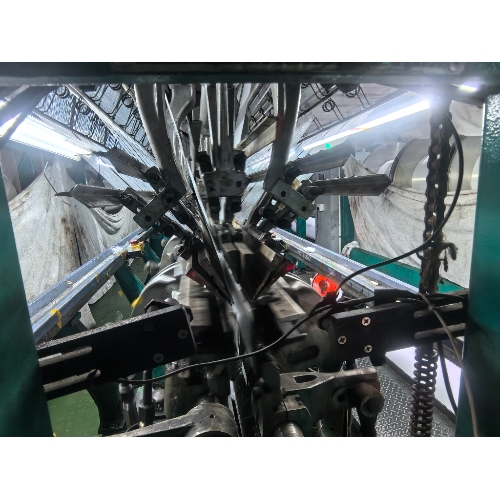
- The Budget-Conscious Alternative (5-Shuttle Technique): For buyers targeting entry-level price points, a 5-shuttle construction is available. A critical factory warning here: if you choose a lower GSM with a 5-shuttle weave, you must not request an overly slick or silicon-softened hand-feel. Excessive chemical softening on a looser knit structure lubricates the fibers too much, making the fabric highly prone to shedding.
2. Fabric Textures and Styles: From Classic Solids to Ruched Effects
The visual appeal of your collection depends heavily on the finishing and weaving style you choose. The most common commercial categories include:
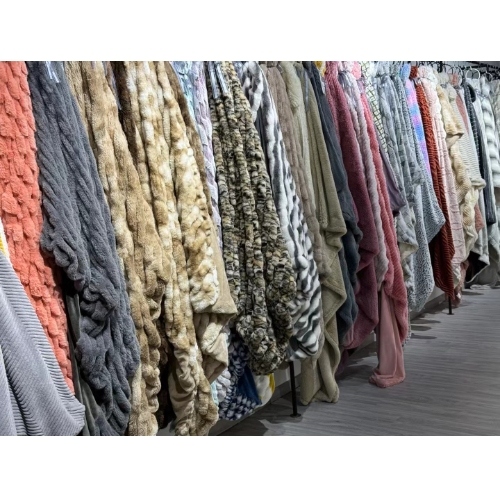
- Plain/Solid Rabbit Fur: The most timeless, uniform, and versatile option for standard plush throws and duvet covers.
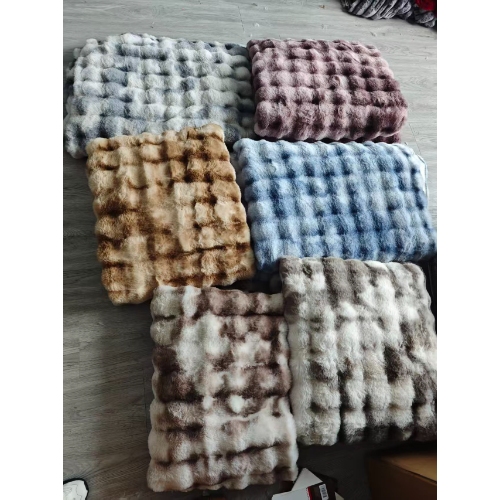
- Carved, Printed, and Jacquard Fur: These post-treatments create dynamic surface textures. For example, the highly popular "bubble blanket" textures are achieved through precise mechanical pile-carving.
- Ruched Faux Fur Fabric: This is a specialized category. Unlike cheap embossed patterns, true ruched faux fur blankets achieve their iconic, permanent ripples by integrating 5% Spandex directly into the yarn composition during the initial weaving process.
3. Coloring Techniques: Minimum Order Quantities (MOQs) and Cost Breakdown
Understanding how dyeing methods impact your manufacturing budget and production timelines is crucial for inventory management.
| Dyeing/Printing Method | Standard Factory MOQ | Pricing Tier | Strategic Insights for Buyers |
|---|---|---|---|
| Solid/Vat Dyeing | 500 kgs per color | Most Cost-Effective | The cleanest option for minimalist or Scandinavian-style bedding lines. |
| Tie-Dyeing / Tie-Vat | 400 kgs per color | Premium Pricing | Features a lower MOQ but higher processing costs due to the multi-layered coloration process. |
| Pattern Printing | 800 – 1,000 kgs per color | Mid-Tier Pricing | Positioned between solid and tie-dye costs. Custom patterns require an initial mold/screen fee, which our factory fully refunds once your cumulative order volume hits target milestones. |
4. Factory Insights: How to Verify Quality and Avoid Sourcing Pitfalls
Securing a reliable supply chain requires strict quality control protocols before capital changes hands.
First, never rely solely on digital photos or the initial pre-production sample (PPS). Once your bulk fabric production is completed at the dye house, always demand a bulk fabric cutting sample to verify that the hand-feel, color matching, and GSM consistency match your approved prototype.
Second, ensure your manufacturing partner is certified for global market compliance. Partnering with an OEKO-TEX Standard 100 certified factory guarantees that the fabric dyes and finishing agents are completely free from harmful substances—a mandatory requirement for major retail compliance in the US and European markets.
Conclusion
Choosing the right faux rabbit fur fabric requires balancing your brand's retail positioning with realistic factory thresholds. Whether you are benchmarking against industry giants or engineering an affordable startup collection, getting the technical specifications right from day one ensures a flawless production run.
Want to test our fabric density yourself? Contact our engineering team today to request a physical Master Swatch Kit or a custom manufacturing quotation.
 How to Choose the Right Ruched Faux Fur Throw Blanket for Your Startup
 Happy New Year! We're Back in Business!
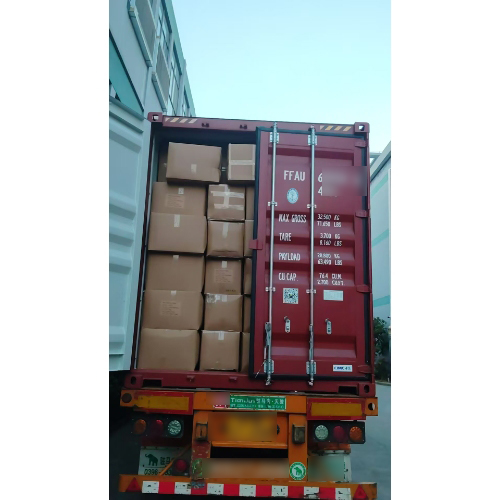 First Container Loading after CNY